Kremer Pigments
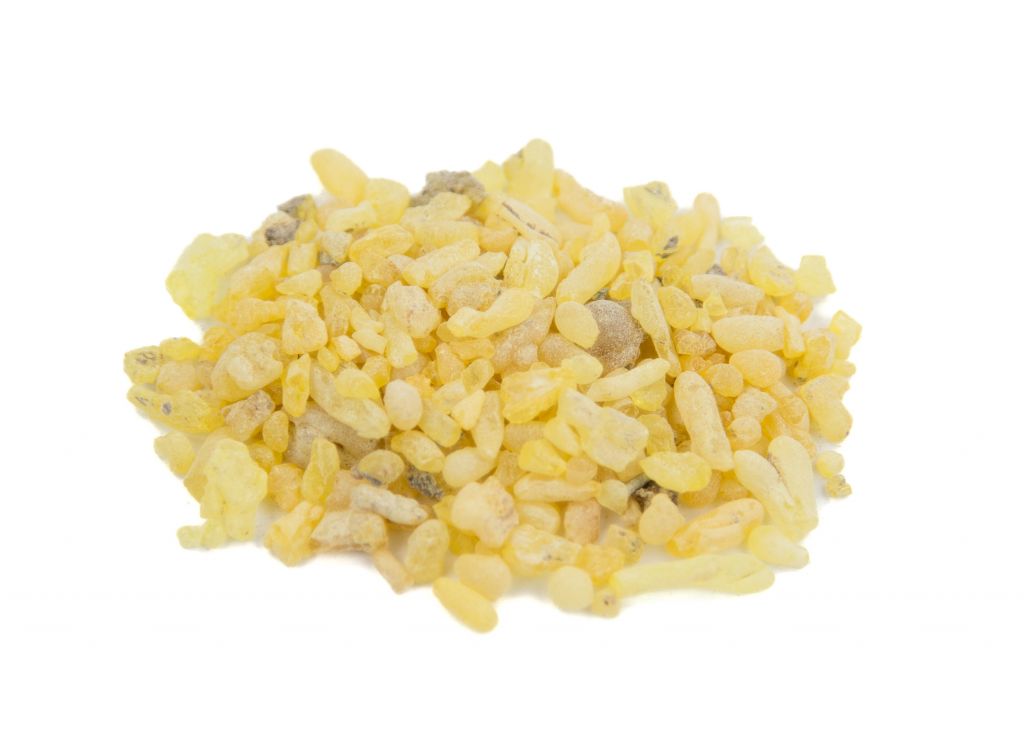
Sandarac
Sandarac
SKU:60100.12100.136
Sandarac resin is highly soluble in alcohol, ether, amyl alcohol and acetone. Sandarac varnishes have a high degree of hardness. Mixed with linseed oil, it was the most common varnish in the XVI and XVII centuries. Not soluble in water.
To successfully disperse Sandarac resin into oil, you must recognize that it will not simply dissolve into cold or warm oil like a soft resin (such as Dammar). Because of its hardness and high melting point, it requires a historical, heated process—often called "running" the resin.
The Traditional Method (Running and Oil Cooking)
Please note: This process involves heating highly flammable materials to high temperatures. It should only be done outdoors or in a highly ventilated, fire-safe environment with appropriate safety equipment.
- "Running" (Melting) the Resin
Sandarac must first be thermally broken down before it will accept oil. Place the raw Sandarac tears into a clean, heavy-bottomed pot (historically copper or iron, but modern stainless steel works well). Slowly heat the resin until it completely melts. Sandarac melts at a relatively high temperature (typically between 275 ºF and 302 ºF). As it melts, it will foam and release pungent, white smoke. You must maintain the heat until the foaming subsides and the resin becomes a smooth, dark, free-flowing liquid. This indicates the chemical structure has "cracked" and is ready to accept the oil.
- Heating the Oil
In a separate vessel, heat your drying oil (usually a high-quality, cold-pressed Linseed Oil or Walnut Oil) to a temperature roughly matching the melted resin (around 302º F). If you add cold oil to the molten resin, the resin will violently seize and harden into an unusable lump.
- Incorporating the Oil
Once the Sandarac is fully liquid and the oil is hot, slowly pour the hot oil into the molten resin in a thin, steady stream while stirring constantly.
- Cooking the Varnish (The "Pill Test")
Continue to cook the combined oil and resin mixture over medium heat. They must fuse together chemically. To test if the dispersion is complete, dip a glass rod into the hot varnish and place a drop onto a cool surface (like a piece of glass or tile). When the drop cools, you should be able to roll it into a clear, cohesive little pill between your fingers. If it remains cloudy or breaks apart, the varnish needs to cook longer.
- Cooling and Thinning
Once fused, remove the pot from the heat and allow it to cool slightly. While it is still warm (but below the flash point of your solvent), you can thin the thick varnish by slowly stirring in a solvent like turpentine or spike lavender oil to achieve a brushable consistency.
A Modern Alternative (The Cold-Solvent Method)
If you wish to avoid boiling oil, you can create a mixed varnish, though it is structurally different from a true cooked oil-varnish:
Dissolve the Sandarac completely in a strong solvent (like high-proof alcohol or spike oil). Filter out any bark or impurities. Slowly mix this solvent-heavy resin solution into your linseed oil. (Note: This creates a varnish that relies entirely on the solvent evaporating to leave a mixed film of oil and resin, whereas the heated method chemically bonds the two materials).
Couldn't load pickup availability