

Collection: Synthetic Inorganic
Born from the intersection of science and art, synthetic inorganic pigments have been revolutionizing the artist's palette since the 18th century. This category includes some of the most iconic and reliable colors in art history, including brilliant Cobalts, radiant Cadmiums, and intensely opaque Titanium White.
The terminology can sometimes be confusing—if a pigment is made in a lab, why isn't it considered "organic"? The distinction comes down to the chemical building blocks used to create the color:
- Synthetic simply means the pigment is manufactured in a laboratory or factory rather than mined directly from the earth.
- Organic means the pigment's molecular structure is built around complex carbon chains (typically derived from petrochemicals or biological matter).
- Inorganic means the pigment contains no complex carbon structures, and is instead built from metals, minerals, and earth elements.
Take Synthetic Ultramarine Blue as a perfect example. Even though it is entirely manufactured by humans in a lab, it is an inorganic pigment. This is because chemists create it by firing a precise mixture of clay, sulfur, soda ash, and silica in a kiln. It is a man-made creation, but its ingredients are purely elemental minerals and metals, not carbon-based compounds.
Because they are synthesized under exact conditions using these metallic and mineral bases, synthetic inorganic pigments offer unparalleled consistency and a level of vibrancy difficult to find in nature. Prized for their exceptional lightfastness, high opacity, and strong tinting strength, our synthetic inorganic pigments provide artists, conservators, and makers with permanent, highly predictable colors that will stand the test of time.

-
Titanium White Rutile, PW 6
Vendor:Kremer PigmentsSynthetic InorganicRegular price From $9.00Regular price -
Chrome Oxide Green, PG 17
Vendor:Kremer PigmentsASTM, opaque, Synthetic InorganicRegular price From $10.00Regular price -
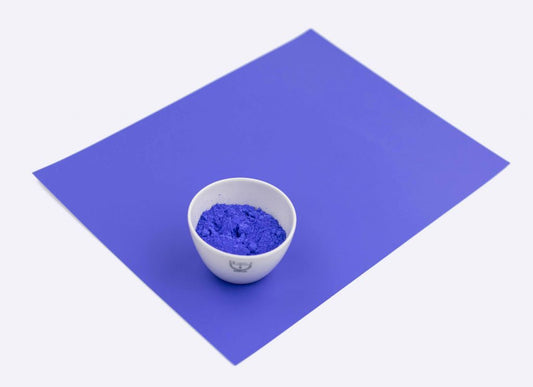
Ultramarine Blue, dark
Vendor:Kremer PigmentsASTM, Synthetic InorganicRegular price From $11.00Regular price -
Buff Titanium, PW 6
Vendor:Kremer PigmentsSynthetic InorganicRegular price From $9.75Regular price -
Ultramarine Blue, light, PB 29
Vendor:Kremer PigmentsASTM, Synthetic InorganicRegular price From $10.00Regular price -
Cobalt Bottle Green, PG 26
Vendor:Kremer PigmentsSynthetic InorganicRegular price From $20.95Regular price -
Zirconium Cerulean Blue, PB 71
Vendor:Kremer PigmentsASTM, Synthetic InorganicRegular price From $37.50Regular price -
Zinc White, PW 4
Vendor:Kremer PigmentsASTM, Synthetic InorganicRegular price From $11.00Regular price -
Intensive Yellow, PY 159
Vendor:Kremer PigmentsSynthetic InorganicRegular price From $14.00Regular price -
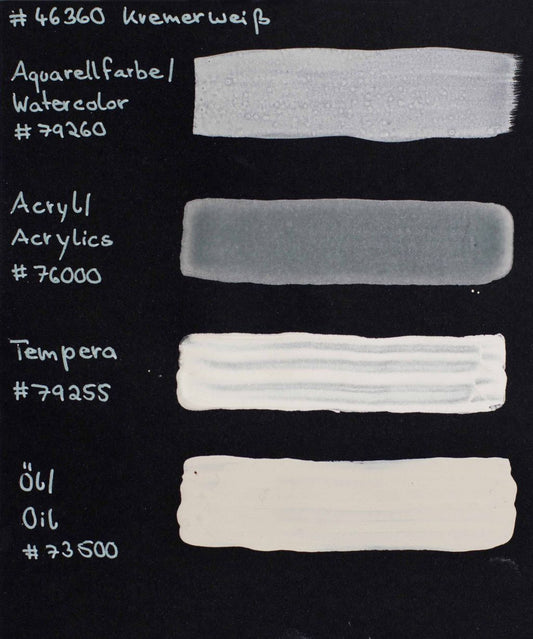
Kremer White, Zirconium White
Vendor:Kremer PigmentsSynthetic InorganicRegular price From $9.50Regular price -
Cobalt Blue Pale, PB 28
Vendor:Kremer PigmentsSynthetic InorganicRegular price From $20.95Regular price -
Caput Mortuum Synthetic 180 M, PR 101
Vendor:Kremer PigmentsSynthetic InorganicRegular price From $11.00Regular price -
Cobalt Blue Turquoise Light, PG 50
Vendor:Kremer PigmentsSynthetic InorganicRegular price From $21.00Regular price -
Ultramarine Red B, dark pink, PV15
Vendor:Kremer PigmentsSynthetic InorganicRegular price $20.50Regular price -
Ultramarine Blue, reddish, PB 29
Vendor:Kremer PigmentsASTM, Synthetic InorganicRegular price From $10.00Regular price -
Zenexo® Golden Shine
Vendor:Kremer PigmentsSynthetic InorganicRegular price From $22.00Regular price -
Ultramarine Blue, greenish extra, PB 29
Vendor:Kremer PigmentsASTM, Synthetic InorganicRegular price From $10.00Regular price -
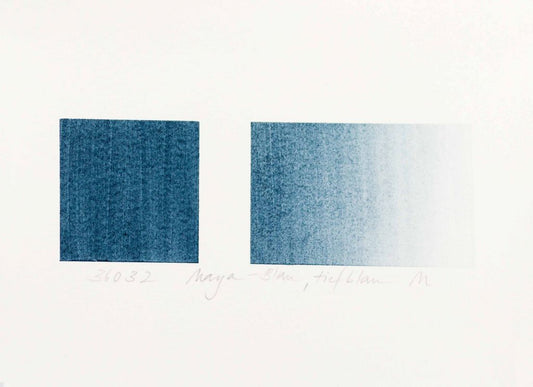
Maya Blue, deep blue M
Vendor:Kremer PigmentsSynthetic InorganicRegular price From $11.95Regular price -
Copper Blue
Vendor:Kremer PigmentsSynthetic InorganicRegular price From $17.00Regular price -
Ultramarine Violet, medium, PV 15
Vendor:Kremer PigmentsASTM, semi-opaque, Synthetic InorganicRegular price From $12.00Regular price -
Zirconium Red, salmon pink
Vendor:Kremer PigmentsSynthetic InorganicRegular price From $24.00Regular price -
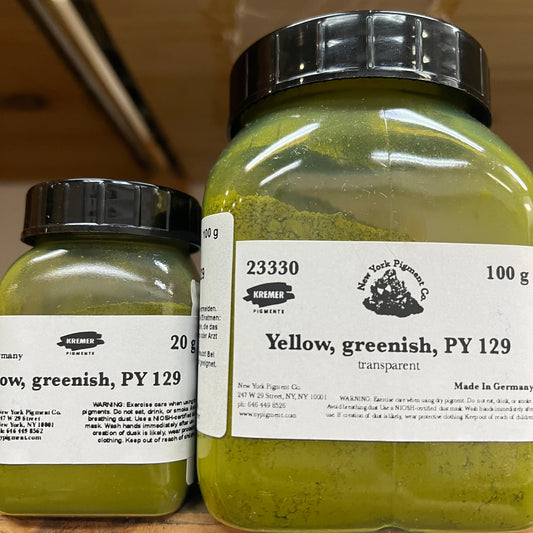
Yellow, greenish, PY 129
Vendor:Kremer PigmentsASTM, Synthetic InorganicRegular price From $15.00Regular price -
Cobalt Blue Turquoise Dark, PB 36
Vendor:Kremer PigmentsASTM, Synthetic InorganicRegular price From $39.00Regular price -
Caput Mortuum violet
Vendor:Kremer PigmentsASTM, Synthetic InorganicRegular price From $10.00Regular price -
Spinel Black, PBk 26
Vendor:Kremer PigmentsASTM, Synthetic Inorganic, translucentRegular price From $24.00Regular price -
Pompeii Red
Vendor:Kremer PigmentsASTM, Synthetic InorganicRegular price From $8.40Regular price -
Quindo Violet dark, PV 55
Vendor:Kremer PigmentsSynthetic Inorganic, transparentRegular price From $18.50Regular price -
Studio Pigment Pink, PR 122
Vendor:Kremer PigmentsSynthetic InorganicRegular price From $10.00Regular price -
Silva Green, bluish dark green, PG 26
Vendor:Kremer Pigmentsopaque, Synthetic InorganicRegular price From $20.95Regular price -
Cobalt Cerulean Blue, PB 35
Vendor:Kremer PigmentsASTM, Synthetic InorganicRegular price From $30.00Regular price -
Red DPP BO, PR 254
Vendor:Kremer PigmentsASTM, Synthetic InorganicRegular price From $13.95Regular price -
Viridian Green, PG 18
Vendor:Kremer PigmentsSynthetic InorganicRegular price From $34.00Regular price -
Zenexo® Golden White
Vendor:Kremer PigmentsSynthetic InorganicRegular price From $29.00Regular price -
Nicosia Green, PG23
Vendor:Kremer PigmentsSynthetic InorganicRegular price From $9.25Regular price -
Iron Oxide Black 318, high tinting
Vendor:Kremer PigmentsSynthetic InorganicRegular price From $10.00Regular price -
Cobalt Oxide Green Blue, PG 26
Vendor:Kremer Pigmentsopaque, Synthetic InorganicRegular price From $20.00Regular price

























Regulatory Status of Our Materials
- Fine Art Supplies: Products in our "Fine Art Supplies" section are packaged and marketed for consumer art use and Conform to ASTM D-4236 in compliance with US CPSC (LHAMA) regulations.
- Conservation & Specialty Media / Raw Materials: Bulk raw pigments, historical binders, and specialty restoration media in all other sections of this website are imported and sold as raw chemical inputs and industrial trade supplies. Because these are intended exclusively for professional Musical Instrument Making (Luthiery), Architectural & Historical Preservation, Fine Furniture Restoration & Cabinetmaking, Museum & Paintings Conservation, Architectural Gilding & Frame Restoration, Specialty Coating & Paint Manufacturing—and are not packaged or marketed for general consumer art use—CPSC consumer art labeling requirements are not applicable.