Kremer Pigments
Aluminum stearate
Aluminum stearate
SKU:58960.247.50
Aluminum stearate is a fine, hydrophobic powder used extensively in professional paint formulation as a rheology modifier and anti-settling agent. By forming a thixotropic gel within drying oils, it prevents heavy pigments from separating while giving the paint a buttery consistency that holds crisp brushstrokes. Additionally, it helps regulate oil absorption and acts as a matting agent to reduce gloss, though it must be used sparingly at 1% to 2% by weight to preserve the structural integrity of the paint.
Aluminum Stearate: Advanced Rheology Modifier and Anti-Settling Agent
Aluminum Stearate ($Al(C_{18}H_{35}O_2)_3$) is an essential organometallic compounding agent utilized extensively in professional paint formulation and conservation. Functioning primarily as a surfactant, rheology modifier, and gel-forming agent, this fine, hydrophobic white powder is an aluminum salt of stearic acid (octadecanoic acid). It is critical for stabilizing high-density mineral suspensions and modifying the mechanical handling properties of drying oils.
Chemical and Physical Properties
- Chemical Composition: Aluminum salt of long-chain fatty acids (primarily stearic and palmitic).
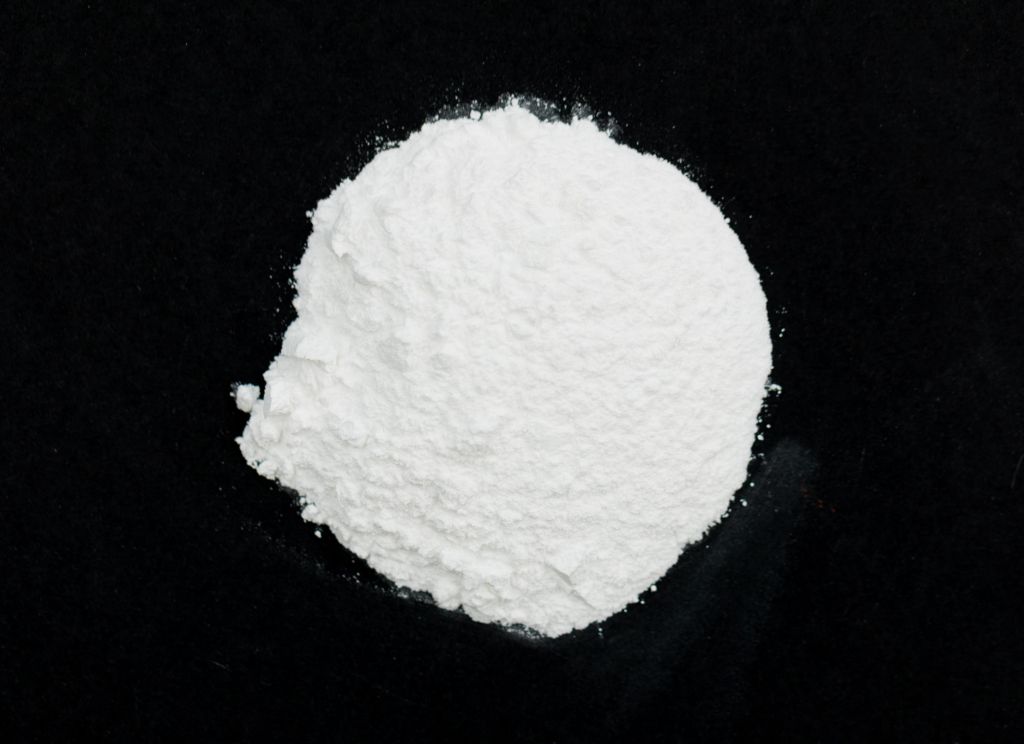
- Appearance: Ultra-fine, low-bulk-density white powder.
- Solubility: Insoluble in water and lower alcohols; swells and dissolves in heated drying oils (linseed, walnut, safflower) and aliphatic/aromatic hydrocarbons to form a thixotropic colloidal gel.
- Hydrophobicity: Highly water-repellent, reducing the hygroscopic tendencies of certain earth and mineral pigments.
Functions in Paint Formulation
1. Colloidal Suspension & Anti-Settling
Aluminum stearate’s primary application in artisanal and commercial paint making is the prevention of pigment precipitation. By forming a three-dimensional micellar network within the oil vehicle, it holds high-specific-gravity pigments (such as lead, cinnabar, and heavy transition metals) in uniform suspension, preventing compact caking at the bottom of the tube over long-term storage.
2. Thixotropic Viscosity Modification
When incorporated into a lipid matrix, it imparts structural viscosity and thixotropy. This effectively "shortens" the paint paste, reducing stringiness and yielding a highly desirable, buttery rheology that retains crisp brushstrokes and impasto peaks without slumping.
3. Oil Absorption Regulation
The introduction of aluminum stearate lowers the surface tension at the pigment-binder interface. This effectively reduces the volume of oil required to properly wet out high-oil-absorption pigments, minimizing the risk of subsequent film wrinkling, yellowing, or structural failure due to excess binder.
4. Matting and Optical Adjustment
Due to its microcrystalline structure and refractive index, aluminum stearate scatters light at the surface of the cured paint film. It acts as an effective flattening or matting agent, reducing the specular gloss of oil vehicles for a more uniform, satin-to-matte optical finish.
Formulation Guidelines
For standard anti-settling and stabilization, aluminum stearate should be utilized sparingly to avoid compromising the structural integrity of the cured paint film.
- Standard Loading: $1\%$ to $2\%$ by weight of the total pigment volume.
- Preparation: For optimal dispersion and gelation, the powder must be actively milled into the dry pigment before the addition of the binder, or alternatively, swelled in a small volume of heated solvent or oil prior to incorporation into the primary pigment paste.
Couldn't load pickup availability