Ateliers professionnels sur la couleur et la technique
La plupart des artistes modernes sont séparés de leurs outils par une étagère de magasin. Nos ateliers sont conçus pour combler cette lacune. Nous proposons des instructions pratiques et des démonstrations sur la production de peintures, de gesso et de médiums de peinture.
Nous vous invitons à entrer dans l'atelier pour explorer les matières premières de notre métier, transformant la terre, les plantes et les minéraux en matériaux artistiques de qualité professionnelle.
Disciplines des ateliers
Notre programme est axé sur le travail avec les matières premières que nous vendons en magasin.
Cours de Roger et Rachael :
- Fabrication de peinture pratique : Passage du pigment brut au produit fini. Nous abordons la physique du broyage des aquarelles et des huiles, en nous concentrant sur les proportions de charge, de broyage et de liant. Tous les outils et matériaux sont fournis.
- Cours accélérés : Ces cours basés sur des démonstrations sont conçus pour vous familiariser avec les techniques et méthodes fondamentales. Chaque cours accéléré se concentre sur un médium spécifique - gesso, aquarelle, acrylique et huiles. Après un cours accéléré, vous vous sentirez prêt à explorer la fabrication de peinture dans votre propre atelier.
Ateliers et conférences donnés par des professeurs invités spécialisés dans des domaines spécifiques tels que :
- Teinture naturelle : Une exploration à base de plantes de la théorie des couleurs naturelles, de la préparation des fibres et de l'utilisation de mordants pour obtenir des résultats durables et résistants à la lumière sur le tissu.
- Marbrure du papier : Une immersion technique dans les méthodes traditionnelles de flottement des pigments, de contrôle de la tension superficielle et d'impression de motifs à partir de la surface de l'eau.
- Traitement des pigments naturels : Comment les minéraux et les plantes sont transformés en pigments de haute qualité pour les peintres.
Ces sessions sont destinées aux artistes, designers, conservateurs et éducateurs qui souhaitent acquérir une compréhension plus approfondie des matériaux artistiques physiques. Que vous cherchiez à cueillir vos propres pigments ou que vous vouliez simplement savoir pourquoi certaines peintures se comportent comme elles le font, nos ateliers fournissent les bases techniques pour enrichir votre pratique.
-

We offer both hands-on and demonstration-based instruction in the production of paints for industry professionals.
We invite you to step into the workshop to explore the raw materials of our trade, transforming earth, plants, and minerals into professional-grade media.
Our curriculum focuses on working with the raw materials that we sell in the shop.
Classes by Roger and Rachael:- Hands-On Paint Making: Transition from raw pigment to finished product. We cover the physics of mulling watercolors and oils, focusing on load, grind, and binder ratios. All tools and materials are provided.
- Crash Courses: These demonstration based classes are designed to get you acquainted with foundational techniques and method. Each Crash Course focuses on a specific medium- gesso, watercolor, acrylic, and oils. After a Crash Course, you'll feel ready to explore making paint from scratch.
- Hands-On Paint Making: Transition from raw pigment to finished product. We cover the physics of mulling watercolors and oils, focusing on load, grind, and binder ratios. All tools and materials are provided.
-

Workshops and Lectures by guest teachers:
- Natural Dyeing: An plant-based exploration of natural color theory, fiber preparation, and the use of mordants to achieve durable, light-fast results on fabric.
- Paper Marbling: A technical dive into the traditional methods of floating pigment, controlling surface tension printing patterns from the water's surface.
- Natural Pigment Processing: How minerals and plants are transformed into high quality pigments for painters.
These sessions are intended for those who want to gain a deeper physical understanding of raw materials. Whether you are looking to develop your own pigments or simply want to know why certain paints behave the way they do, our workshops provide the technical foundation to expand your practice.


Upcoming Workshops

Crash Courses
Crash Courses are demonstration-based discussions (not hands-on) that aim to demystify the use of pigments and raw materials. Each Crash Course focuses on a specific paint application. We explain how different types of pigments behave in each recipe. Crash Courses do not have to be taken in order. CRASH COURSES ARE OFFERED IN PERSON AND ON ZOOM. If you are signing up, be careful to choose the appropriate one for you.
- Our workshop area is on the basement level, and is only accessible by stairs.
- We recommend taking notes!
- 20% OFF in-store purchases the day you take a class!
- An archived video of this Crash Course will be available for 2 weeks.
- A worksheet on the subject will be provided along with other useful PDFs on the topic at hand.
Titre du produit
Titre du produit
(Sold Out) Marbling With Handmade Paint w/ Sheryl Oppenheim


6/20 "Marbling With Handmade Paint" Hands-On Workshop

7/25 "Marbling With Handmade Paint" Hands-On Workshop
ABOUT THIS CLASS:
Participants Will:
- Learn how to mix handmade marbling paint from dry pigments
- Learn the physics of using a marbling tray
- Practice making stone and shell patterns with handmade paint
- Make 10-15 sheets of marbled paper
About the class:
This immersive full-day workshop is split in two parts, with a break for lunch. All materials and tools are provided. In the morning session, you will learn how to make handmade paint according to the 19th-century Fichtenberg recipe. This recipe was originally translated by Garrett Dixon and then re-published and taught by Dan and Regina St. John (of Chena River Marblers) in their manual “Contemporary Classic Marbling.” Each student will be responsible for mulling 1-2 paints to share with the rest of the class.
The afternoon session will be an introduction to paper marbling using the paints you made. The class will focus on making stone patterns, as well as the shell pattern, a variation of the stone pattern, which can be made by adding oil to the paints. Each student will have their own tray to work in. Depending on working speed and complexity of the patterns, participants will make 10-15 sheets of 12x15’’ marbled paper.
*There may or may not be leftover paint, but if you are interested in taking a small amount of paint home with you, please bring your own small (2-4oz) lidded jars.
*Wear studio clothes and/or an apron.
*Please note that rabbit skin glue and ox gall are used in these marbling methods, and cannot be substituted to make vegan recipes.
*This class takes place in our mezzanine workshop area, which is only accessible by a flight of steps.
About the instructor:
Sheryl Oppenheim was born in 1983, raised in Orlando, Florida, and now lives in New York City. She is a paper marbler and maker of illegible books, an idea she first became interested in after seeing the work of Bruno Munari, and through her proximity to books, bookbinders, and marbled paper at her first job in New York, at a bookbinding supply house. She began marbling paper in 2011. Her work is rooted in an aspiration to practice marbling techniques at the highest skill level, combined with a devotion to beauty, surprise, and feeling through color and form.
Her work is included in the collections of the Metropolitan Museum of Art’s Watson Library, the Museum of Modern Art, the Walker Art Center, the New York Public Library, the Brooklyn Museum, the National Gallery of Art Library, and the National Museum of Women in the Arts, among others. She was included in Pattern and Flow: A Golden Age of American Decorated Paper 1960s to 2000s, published by the Metropolitan Museum of Art in 2022, as one of a new generation of artists who are carrying forward the tradition of paper marbling in America.
All images courtesy of Sheryl Oppenheim

Past Workshops
Hands-on Workshops
6/20/2026 - Marbling with Handpaint w/ Sheryl Oppenheim
6/6/2026 - Make Your Own Watercolor w/ Rachael Fischer
5/30/2026 - Handmade Lake Pigments & Inks w/ Natalie Stopka
Lecture Series
7/11/2026 - Crash Course 1: Grounds & Pigments presented by Roger Danilo Carmona
4/4/2026 - Natalie Stopka Book Talk w/ Q&A, author of 'From Plant to Pigment'
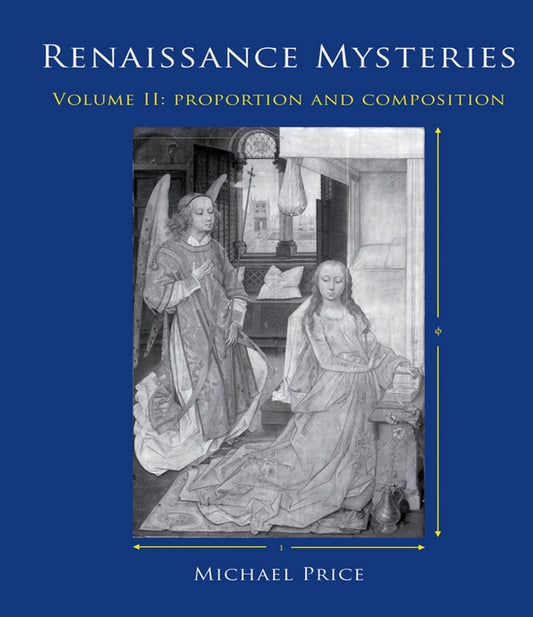
3/7/2026 - Lecture & Demo by Michael Price, author of 'Renaissance Mysteries'


Books
-
Mystères de la Renaissance par Michael Price
Prix habituel $90.00Prix habituel -
De la plante au pigment par Natalie Stopka
Prix habituel $23.00Prix habituel$24.99Prix promotionnel $23.00Promotion -
Kremer Pigmente : Recettes d'encres historiques
Prix habituel $6.50Prix habituel -
Carnet de recettes Kremer Pigmente
Prix habituel $25.95Prix habituel